Wondering if Kirkwood is a smart place to buy now, rent out for a few years, and move into later? You are not alone. In a fast-growing part of Clarksville, that question matters because the right neighborhood can give you both day-one flexibility and long-term livability. This guide will help you evaluate Kirkwood in Farmington through the lens of rental demand, home features, school-zone considerations, and future value so you can make a more confident decision. Let’s dive in.
Why Kirkwood gets attention
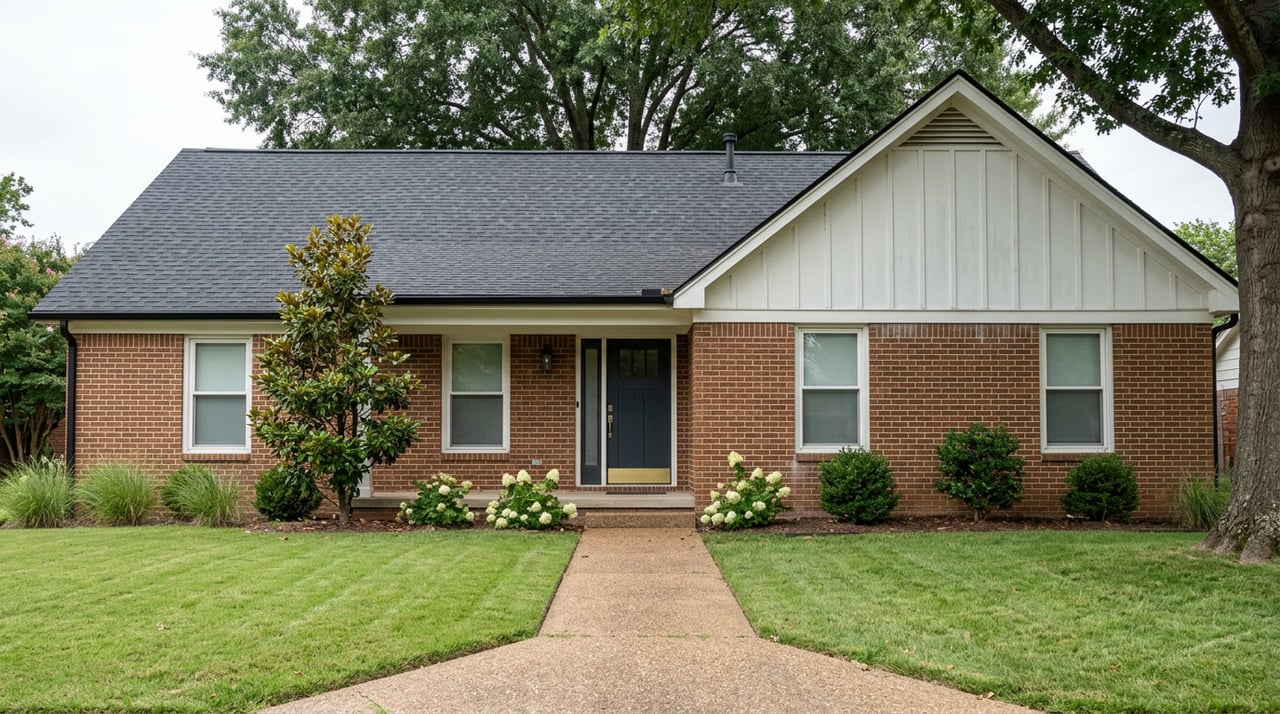
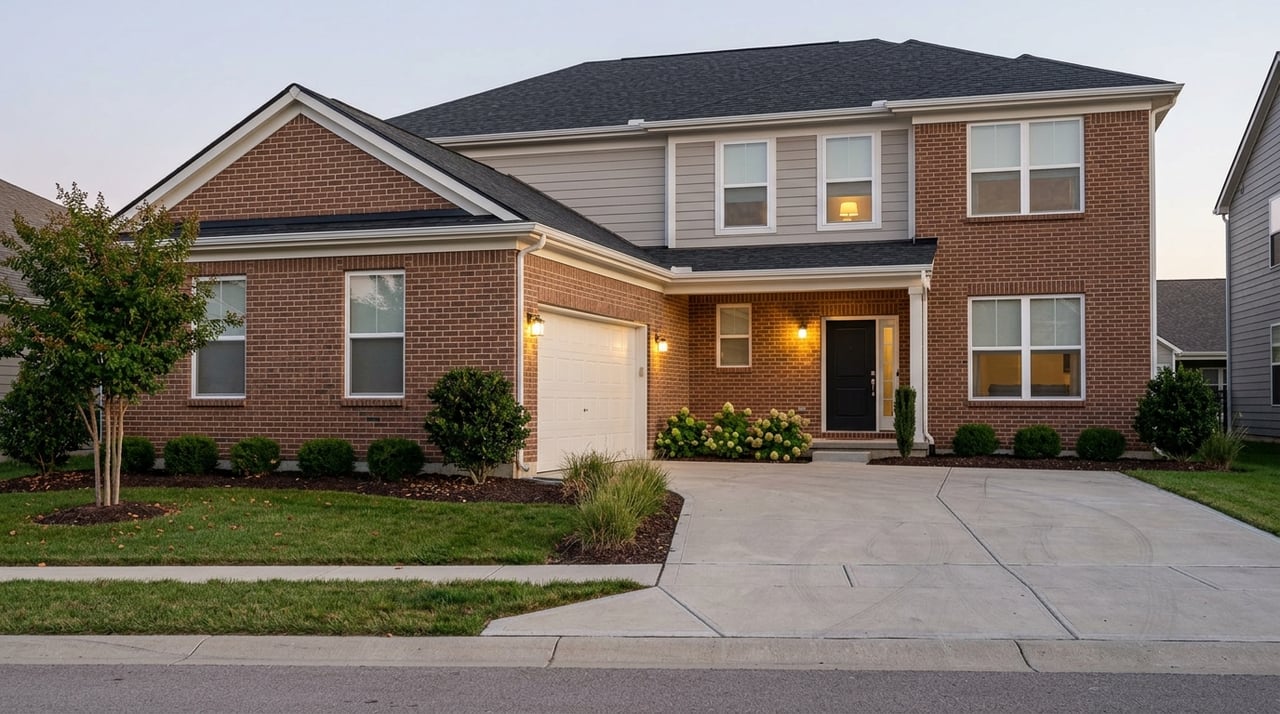
Kirkwood sits in the Farmington area of Clarksville’s 37043 zip code, a part of town tied to growth, newer housing, and commuter convenience. Local reporting describes Farmington as a neighborhood with larger brick homes, backyard pools, and shared amenities like ponds, a playground, and a basketball half-court.
That setting matters because Clarksville and Montgomery County have both grown quickly. Clarksville reached an estimated 185,690 residents in 2024, up 11.4% since 2020, and Montgomery County grew to 246,025, up 11.8% in the same period. When you pair population growth with an active housing market, neighborhoods like Kirkwood naturally stay on buyers’ and renters’ radar.
What the housing stock looks like
If you are thinking about long-term rental and future move-in use, Kirkwood offers a housing mix that can work well for that plan. The area is mostly detached single-family homes, often with traditional brick exteriors, open layouts, and more than 2,000 square feet.
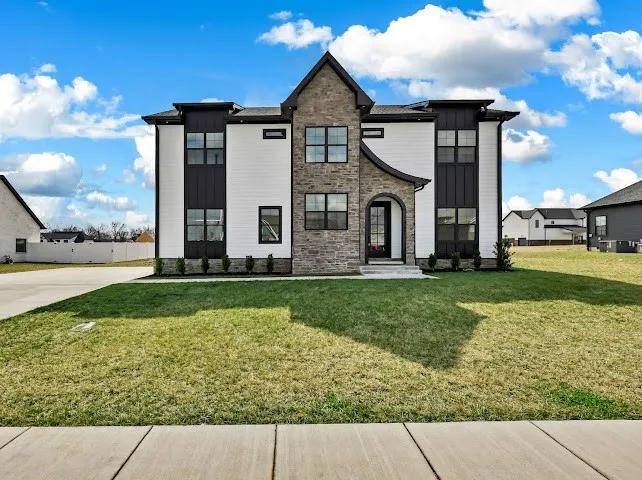
That said, Kirkwood is not a one-size-fits-all neighborhood. Recent examples show a 2007 home with 4 bedrooms and 2,898 square feet, a 2011 Farmington-area home with 4 bedrooms and 2,725 square feet, and a 2022 build with 3 bedrooms, 4 baths, and 2,197 square feet on a 0.54-acre lot.
For you as a buyer, that means two similar-looking homes may perform very differently over time. Age, condition, lot size, layout, HOA requirements, and current zoning can all affect both rental appeal and resale value.
Why move-in potential is strong
Kirkwood tends to fit buyers who want a home they could realistically enjoy later, not just a property to hold on paper. The housing style is largely suburban and functional, with the kind of space many buyers want when they are ready to settle in.
You also see neighborhood features that support everyday living. Sidewalks, walking trails, parks, and common outdoor amenities can make a property easier to enjoy once you are ready to move in yourself.
This is especially relevant if your timeline includes a military move, a job transition, or a delayed relocation. Buying a home that can serve as a rental now and a personal residence later can give you flexibility without forcing you to compromise on livability.
Rental demand looks active
From a rental standpoint, there is clear activity in the Kirkwood area. Zillow shows 8 houses for rent in Kirkwood Clarksville, with examples ranging from $2,280 per month for a 3-bedroom, 2.5-bath home with 1,985 square feet to $3,575 per month for a 6-bedroom, 3.5-bath home with 4,365 square feet.
Apartment options nearby also point to strong renter demand for amenity-rich housing. Kirkwood Place lists 1 to 3 bedroom units from $1,205 to $3,219, while The Reserve at Kirkwood lists 1 to 3 bedroom units from $1,253 to $3,831, with features like in-unit laundry, stainless appliances, pools, fitness centers, dog parks, and pet-friendly policies.
That pricing sits above Clarksville’s citywide median gross rent of $1,307. While that does not guarantee performance for every property, it does suggest Kirkwood plays in a higher rental tier than the citywide median.
Who Kirkwood may appeal to as renters
Based on current rent levels and the area’s housing profile, Kirkwood appears to be a better fit for renters looking for space, newer housing, and convenient access to major routes. Clarksville’s housing planning also notes demand tied to regional employers and the military base, with Fort Campbell serving as a major housing driver in the area.
For you, that means tenant appeal may be strongest when the home offers the features renters in this segment often prioritize, such as modern layouts, multiple bedrooms, usable outdoor space, and convenient commuting options. If your goal is stable long-term rental demand rather than bargain-entry pricing, that can be a positive sign.
Schools are a major factor
The Kirkwood school cluster is a major part of the area’s identity. CMCSS reports that it has averaged 677 new students per year over 30 years, enrolled nearly 40,000 students in 2025-26, opened Kirkwood Elementary in August 2024, and opened Kirkwood High in August 2023.
Kirkwood High also offers AP and dual-enrollment options, and the three Kirkwood campuses are located together on Rossview Road. For many buyers, having newer school facilities nearby is part of what makes the area stand out.
Still, this is the part where you do not want to rely on old listing descriptions or neighborhood pages. CMCSS says it is managing phase-2 elementary realignment, including Rossview-to-Kirkwood and Oakland-to-Kirkwood areas, so school-zone verification should be an active part of your due diligence.
Why zoning needs a double-check
If you plan to rent first and move in later, zoning may affect both tenant interest and your future plans. In a market with ongoing attendance-boundary adjustments, assumptions can age badly.
A smart approach is to verify school zoning before you make an offer and again before closing. That extra step can help you avoid surprises and make sure the home still fits your long-term goals.
Long-term value drivers to watch
Kirkwood’s long-term outlook is supported by a few important fundamentals. Population growth in Clarksville and Montgomery County has remained strong, school investment in the area continues, and Farmington is positioned near I-24 and main commuter routes toward Nashville and Fort Campbell.
Those are not small details. Easy regional access, continued local growth, and public investment often help support housing demand over time.
Clarksville’s housing assessment also notes that a healthy rental market usually needs about 4% to 6% vacancy and that limited housing options can draw support from households commuting in from outside the city. In plain English, when growth stays ahead of supply, well-located homes can remain attractive to both renters and future buyers.
What to watch before you buy
Kirkwood may be a strong option, but it is usually not the ideal play for someone chasing steep discounts. The area’s appeal comes more from flexibility, livability, and solid demand drivers than from bargain-basement pricing.
Before you buy, focus on the details that can change the numbers:
- Home age and condition
- Lot size and layout
- Current school zoning
- HOA rules and fees
- Property taxes
- Insurance costs
- Realistic lease-rate projections
Because this micro-market includes older homes, mid-2010s homes, and new construction, you want to compare properties carefully rather than assume the whole neighborhood performs the same way.
Is Kirkwood better for investors or future owners?
For many buyers, Kirkwood makes the most sense as a future home with rental flexibility built in. That is different from buying purely for maximum cash flow on day one.
If your plan is to purchase a home now, rent it during a relocation window, and move in later, Kirkwood checks several important boxes. You get a newer-on-average housing stock, active rental competition, community features, and location advantages tied to major employers and commuter routes.
If your only goal is to find the cheapest possible rental property, you may want to compare Kirkwood with lower-priced areas. But if you care about both tenant appeal and your own quality of life later, Kirkwood deserves a serious look.
A practical way to evaluate a home here
When you tour or review homes in Kirkwood, keep your decision simple and grounded in your actual plan. Ask yourself these questions:
- Could this home attract long-term tenants at a rent level supported by current listings?
- Would I still be happy living here in a few years?
- Does the layout work for both rental use and future owner occupancy?
- Have I confirmed zoning, HOA rules, taxes, and insurance costs?
- Is the location convenient for the places I or a future tenant may need to reach regularly?
That checklist can keep you from buying a house that looks good in photos but does not work well in real life. Real estate is a lot easier when your Plan A and Plan B can both make sense.
If you are weighing Kirkwood against other Clarksville-area neighborhoods, the goal is not just to find a home that works today. It is to find one that gives you options later too.
If you want help comparing homes in Kirkwood, checking the details that affect resale and rental potential, or building a plan around a PCS or relocation timeline, schedule a free consultation with Jenn McMillion.
FAQs
Is Kirkwood in Farmington a good area for a long-term rental?
- Kirkwood appears better suited to buyers seeking rental flexibility in a higher-priced segment, with single-family rentals currently listed from about $2,280 to $3,575 per month and apartment options also priced above Clarksville’s citywide median gross rent.
What types of homes are common in Kirkwood and Farmington?
- The area is mostly detached single-family homes with traditional brick exteriors, open layouts, and many homes above 2,000 square feet, with a mix of 2007-era, 2010s, and newer-construction homes.
Why does school zoning matter when buying in Kirkwood?
- CMCSS is still managing attendance-boundary realignment in this part of the market, so zoning should be verified before making an offer and again before closing rather than assumed from older listings.
Is Kirkwood a good fit if I want to rent first and move in later?
- Yes, for many buyers it can be, because the area combines active rental demand, newer housing, neighborhood amenities, and long-term livability that may work well for a future owner-occupant.
What should I review before buying a home in Kirkwood?
- You should closely review the home’s condition, lot size, HOA rules, taxes, insurance costs, school zoning, and likely lease rate, since these factors can vary meaningfully from one property to another in the same micro-market.